Training Tales Update
What I've been up to since my last update

Crazy it’s the second week of December now! This fall has just flown by! I don’t know if that’s a good or bad thing, but here we are. In my last Training Tales Update, I shared my 50k ultramarathon race recap, in case you missed my race recap feel free to read it here.
In this Training Tales Update, I want to reflect on what I’ve learned since finishing my 4th 50k ultramarathon on November 22nd and also share a bit of what I’m up to currently.
A Little Bit About Me
Besides my passion for competition and racing, including having completed now 4 50k ultras, 9 marathons, & 15 half marathons, I also have 12+ years of business management experience as well as coaching experience, I bring you REAL-LIFE experiences. I hold various fitness training certifications including, American College of Sports Medicine Certified Personal Trainer, STOTT Pilates Mat/Reformer Trainer, Certified TRX Trainer, and Certified Aligned Meditation Teacher, in addition to also having a B.S. in Exercise Science. I have also coached clients in a wide variety of settings: corporate sites, gym, studio, in-home, and currently do most of my coaching online.
What I Learned From my Recent Ultramarathon Finish
So let me just preface this by saying I finished my 4th 50k ultramarathon on Saturday, November 22nd. This was my fastest finish time for the 50k distance for this year. This race was still technically challenging but had less elevation than several other ultramarathons I completed earlier this year in 2025. I also ended with another Top 10 Finish for the Women!
1. You Need More Rest Post Race Than You Think
Probably the most important thing I learned from this ultra race is that you need more sleep than you think post-race. For those of you that aren’t aware, ultramarathons, marathons, triathlons, etc. can impact your sleep cycle depending on when you start and finish this type of competition.
Personally, I was barely able to sleep for more than an hour or 2 for about the first week post-race. This definitely made my work and personal life challenging to navigate, as we were coming on Thanksgiving and that brings a whole other schedule change, travel, etc.
I allowed myself to go to sleep when my body was telling me it needed sleep. The other strange thing I experienced, is that I would go to bed early-before 9pm, but then wake up several times throughout the night, would go right back to sleep, but then wake up around 4am and be wide awake!! This was annoying, but nothing I could do. I just had to let my body recover.
I thought I would do my first run back after the Saturday, November 22nd race on Thanksgiving Day, which was 5 days later. I will admit, I did a short 4-mile run, but then the next several days after that I felt like I zero energy, so I did not run. Instead, I tried to sleep more and also only went for a couple of walks instead of runs.


I then decided my body probably needed more rest, so I took 5 additional days off of running. And since then, I’ve had several great runs since and also my sleeping pattern, has finally gotten back to a more normal sleep schedule to me personally.
2. You Should Wear Thicker Wool Socks for an Ultra Race if it’s a Rocky Course
Another important thing I learned from this ultra race is that I definitely should have picked a thicker pair of wool socks to wear. Let me preface this by saying, I did start the race out wearing a pair of wool socks, but they were more of a performance pair of socks and did not have much cushioning.
For this race, there was all different terrain types, mud, sand, gravel, dirt, you had to cross several creeks, a small amount of pavement running, etc. On one specific part of this course, they had laid fresh gravel and let me just say it completely f****d my feet up. There was really nothing I could do to relieve how much pain my feet were in. My feet felt like they had been burnt off with rocks. I have a high pain tolerance, but this burning foot pain was on another level! Ouch!!
However, I did remember to put an extra pair of wool socks in my pack on my back “just in case” I needed to change socks mid-race. So midway through this race, yep, I changed my socks. I will admit, there was only “slight” pain relief and it took me probably 5 miles of slower pace to push past this pain and get myself running faster again. (not how I pictured this race going)
Thankfully with the sock change I was able to complete this race, but pretty much had to run with burning feet for the final 10 miles of the race- a ton of “mental toughness” was definitely required to cross the finish line!
3. Give Your Stomach Down Time
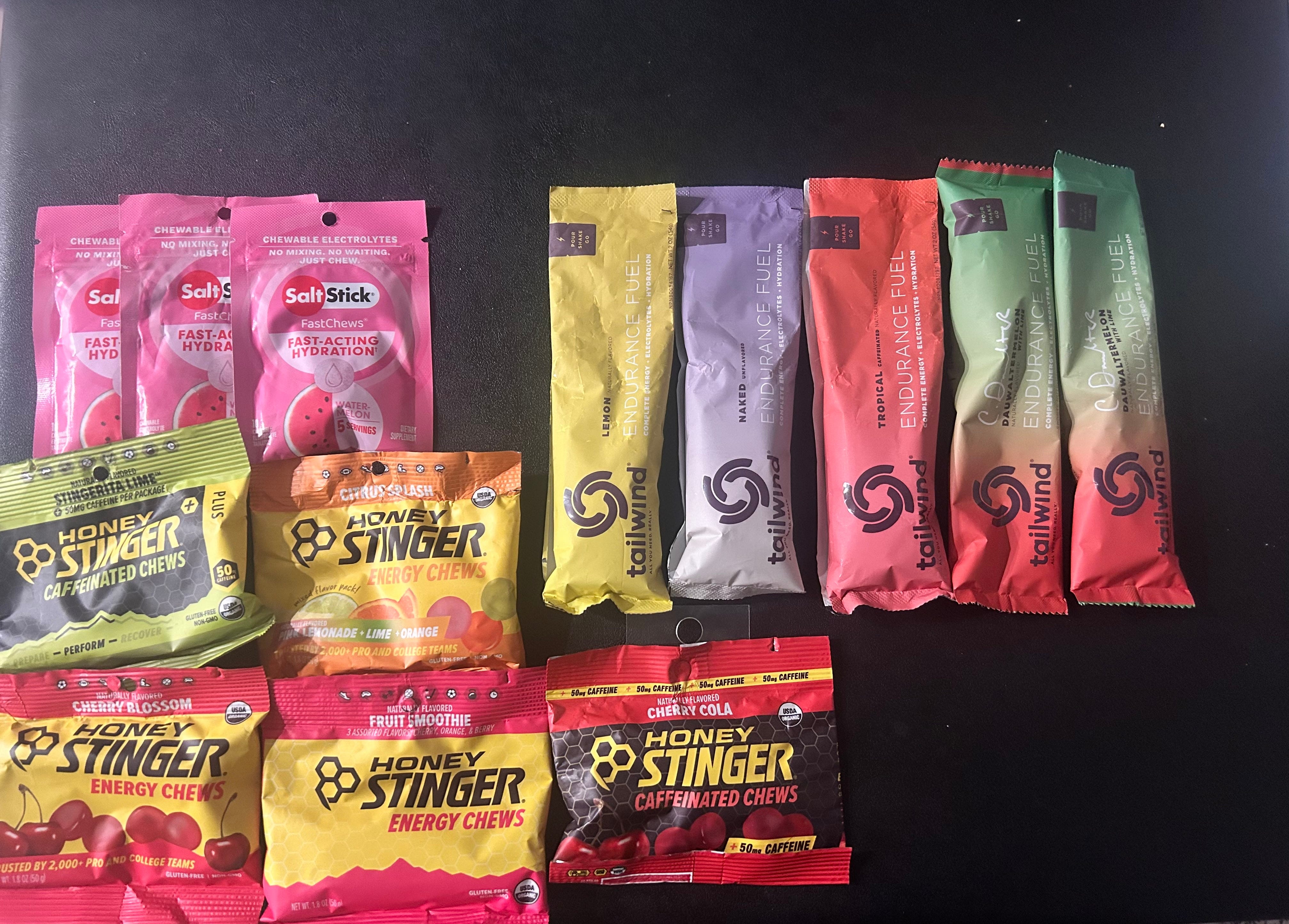
You may be reading this and be like what does this mean?? Well, let me explain. So, during ultramarathons you have to be constantly fueling yourself with simple sugars in order for your muscles to continue working properly and also simple sugars are easiest for your stomach to digest when running. My preferred fuel choice is HoneyStinger chews.
In addition, you need to constantly be keeping yourself hydrated with a combination of water and an electrolyte drink of your choice. My preferred electrolyte drink is from Tailwind Nutrition and their Endurance Fuel is my #1 pick. I don’t use much caffeine due to it sometimes causing stomach issues, so I tend to pick flavors that don’t have caffeine.
So, you could be constantly eating and drinking for hours on end. For most people, it will take you 5 or more hours to finish a 50k race. And if there’s 4500ft+ of elevation, most likely you will be constantly fueling and hydrating yourself for 7+ hours.
Prior to the race, you definitely have to “practice” fueling and hydrating as you would do similar on race day so your stomach adjusts to this constant fueling.
Anyway, for days after the ultra-race, you may experience stomach discomfort or notice you have a hard time digesting foods that aren’t simple sugars. You may also find you don’t have much of an appetite for several days after the race.
My personal experience after this race is that I just felt my stomach needed a break. And also, I probably needed to reduce so many simple sugars for a time and feed myself more nutrient dense fruits, vegetables, and higher protein foods so my muscle and body could recover better. I kept my meals super simple and basic, cut out extra sugar, stopped consuming extra electrolyte drinks, and also started taking a prebiotic/probiotic supplement. I did not do any crazy detox for those wondering.
Since doing this right after the race, I have had way less brain fog and I have just felt generally less stomach discomfort, which is great.
Remember, that not only do you have to train your body and legs to go a far distance, but you also have to train your stomach/gut. Giving your gut a break post-race can help set you up for success long term. Less chance of having continued gut issues during your next training block!
4. Spend a Period of Time Running for Fun
Alright, so this one may seem like I am not serious with training for races, but this is simply not the case! Prior to this ultramarathon on November 22nd, just in 2025 alone, I have also finished my 9th marathon, my 15th half marathon, and then I also finished 2 other 50k ultramarathons! I’ve put in a lot of miles not only on race days, but also in training!
Your body and your mind need a break at various times, so this is where it’s smart to pay attention to your body and notice when it might be asking for a break. By taking a break or time away from structured training, this will keep your mind’s ability to stay the course if you want to be running and racing long term.
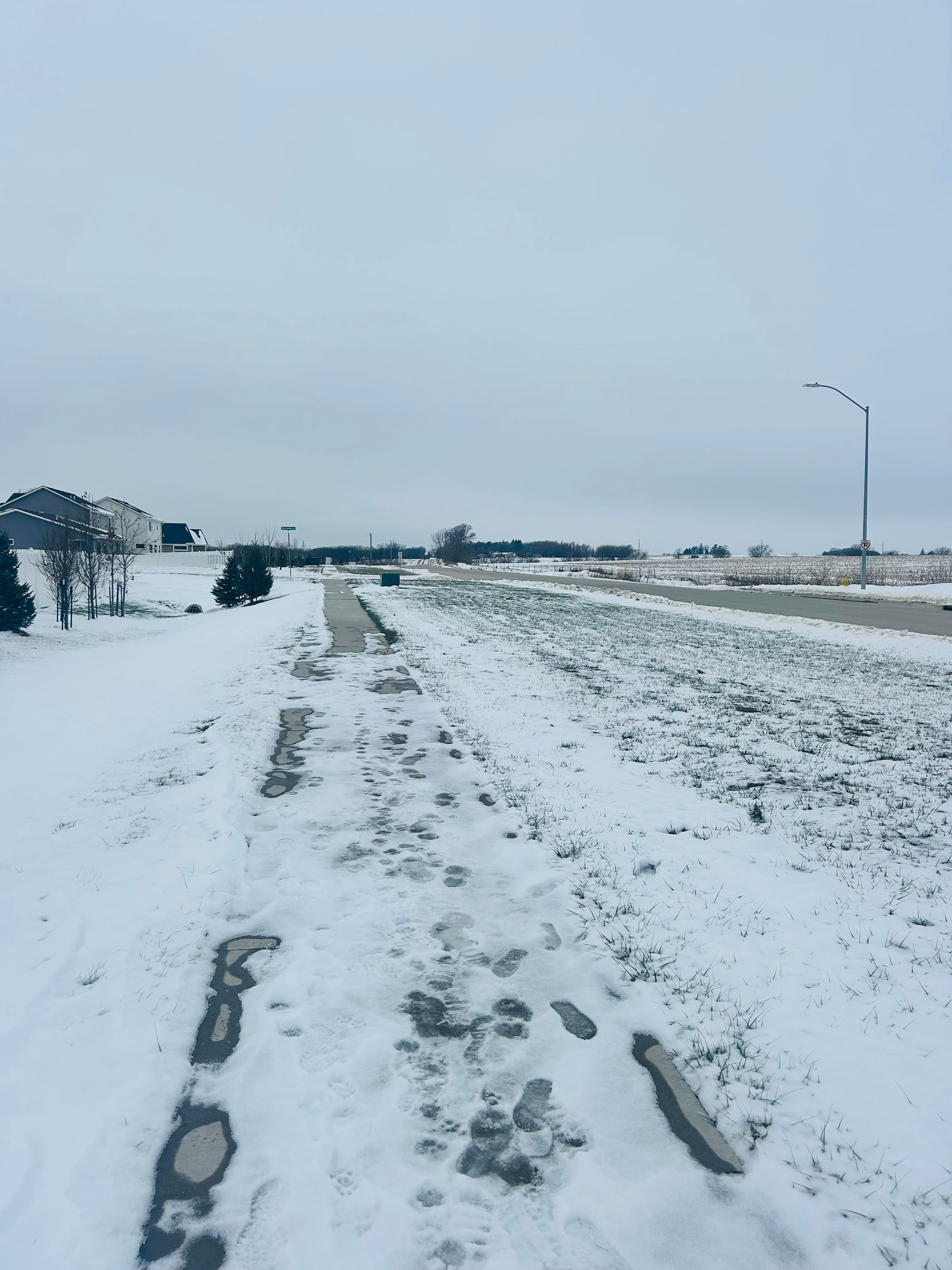
For me, right now, I am just running when I feel like it and only have the set parameters of running at least 4 days per week. It’s also winter in the Midwest, and we have gotten a lot of snow already, so I have to make sure it’s safe to run outside. I personally only enjoy training/running outside so I plan my runs for outdoor running even in the wintertime. It’s called smart layering, so I stay warm while I’m running!
With this being said, I think you should take at least 1 or 2 weeks off per year without having a structured training schedule. This really does re-ignite your motivation for continuing to put one foot in front of the other and also keeps you motivated to run even when it’s freezing cold out! This can also help you stay injury free as well.


What’s Next?
I am taking the next two weeks to focus on strength training AT LEAST 3 days each week and running however many miles I feel like.
Then I will start my training build towards my first race of 2026, the week of Christmas!
And in case you missed it, I am running the Paris Marathon on April 12th, 2026, which will be my 10th marathon! And I will be running this race as part of a charity team, which will be a new experience for me.
I am not only responsible for training to run 26.2 miles through the streets of Paris, but I also am responsible for fundraising prior to this race for the charity “NoStigmas” and I also have to fund this trip by myself.
The charity, NoStigmas helps raise awareness and helps families of those dealing with Mental Health Issues. This charity makes sense for me to run with as I have a direct relative that has serious mental health issues, and I have previously had to help assist in a number of serious crisis situations. If you or you know of anyone that deals with mental health issues, you understand it can be a real struggle for not only those dealing with a specific diagnosis, but every day presents new challenges.
I know that I will be helping share that Mental Health Issues can be challenging, BUT it is possible to get the kind of care you need and it starts with sharing ways that you can handle possible mental health crisis situations, or so your loved ones can get the help on a daily, weekly, monthly basis they may need so that they can live more of a stable life however that may look, as this definitely depends on your Mental Health diagnosis and situation.
If you wish to support the charity and want to support my efforts as I train and eventually run the Paris Marathon, feel free to support me and NoStigmas at the button below.
You can also learn more about the charity, NoStigmas at the button below.
I also want to mention that I will share a weekly training update each week leading up to the Paris Marathon, so you can follow along my training journey right here on Substack, as I train for my 10th marathon!
And in the meantime, if you have any questions about training for a marathon, or about the charity NoStigmas, feel free to send me a message or leave a comment below.
